Leveraging Generational Strengths

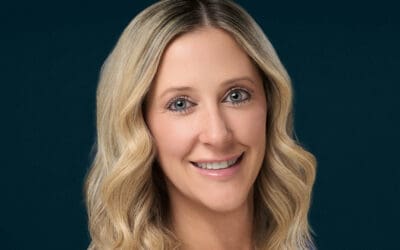
Rachel Crick recently spoke with Katie Croy, the manager, exhibit & sponsorship sales for RE+ Events, on leveraging younger generations’ strengths in the workplace.

Katie Croy graduated from James Madison University in 2019 with a degree in hospitality management and business. She held roles at Global Experience Specialists (GES) and Millennial Action Project before landing a job at RE+ Events, where she has worked for five years and is now the manager of exhibit and sponsorship sales. She holds a Digital Events Strategist certification from PCMA and is also a member of PCMA’s 20 in Their Twenties, Class of 2026.
Q: Generally speaking, have you found that different generations tend to communicate differently? How do you adapt your communication style?
A: At the PCMA conference this year, I attended a session that talked about how all the different generations in the workforce all communicate differently. The speaker asked, “If I were to ask you to jump for me, raise your hand if you would just jump. And then if you were to say, ‘Well, how high?’ raise your hand.” And there was such a divide in the generations’ answers — younger people would say, “How high?” or ask why for context, but many in the older generation would just jump. I thought that was so fascinating because it made me feel like I’m not alone in the way that I communicate and ask for context. I try to understand and remember we all come from different backgrounds, and I think getting to know a person and the way that they communicate can really have a big impact. Also, more generally, I’d like to say many in the older generations tend to love phone calls. Whereas I do find that my generation prefers more of a heads up, maybe wants that context, or would rather stay more digital.
Q: What advice would you give to young professionals who want to earn trust and credibility with colleagues who have been in the industry much longer?
A: I think asking questions is huge. And, with asking those questions, the listening part is just as important. For the younger professionals and those new to the industry, they should understand that there’s so much to learn. Something I’ve been really grateful for is mentorship and learning from those people. But some people might need help with Excel, versus someone my age might need help understanding what it means when you have to “bring in freight” or something like that. I think we can work together to be stronger. But my advice overall to the young professionals would be to ask the questions, to get involved, and also to really listen and put yourself in opportunities where you can listen and learn from them.
Q: If you could encourage event planning teams to do one thing to strengthen collaboration across generations, what would it be?

A: If I could encourage the teams to do one thing to strengthen collaboration, I think having structured time for those cross-generational pairings on actual tasks and not just icebreakers and such is so important. Having the actual time to do this stuff lets them not only build a relationship, which helps strengthen the team and the work you are doing, but it can also help them communicate. When I first joined my team, at one of the first shows I went to, our CEO took time to walk me through the exhibit hall. He’s been around the event industry for like at least 15-plus years, and he comes from a background of education. So having time to do tasks like that and learn from these other generations and have open communication and open dialogue, I think, can really have a big impact.
Q: What strengths do younger professionals bring to event planning teams, and what strengths do more experienced professionals bring?
A: Going back to cross-generational pairings, I think that’s also important because it’s not just one directional, it’s not just the more senior folks teaching the younger folks. In an industry like mine with clean energy mixed with event planning, the technology, the platforms and the overall attendee expectations are all shifting very quickly. The newer people into the industry often have some of that real expertise on how things are right now, while the older generations and leadership are doing a lot of the overall strategy. So, I think again, doing that cross-generational pairing, you can help teach both ways, right? I think that’s something unique with being on the bridge between millennial and Gen Z. We did not totally, completely grow up with all this technology, but I grew up as the world was getting this technology, so I think we have a unique perspective where we can kind of merge pretty well with all these other generations and help connect them, in a way. I also think with event planning, there’s a lot more programs these days, like in colleges and degrees, that people my age have taken advantage of. Whereas a lot of people in the older generations or senior leadership, many of them fell into event planning, and then they hit the ground running and learned as they did. That’s also an interesting aspect of the education piece of it.
Q: Are there any misconceptions you’ve noticed people have about younger professionals entering the workforce today?
A: I think people think that the younger generation is entitled and lazy and wants everything handed to them. I always hear that from older generations. But I think what is actually happening is that younger people are asking “why” more openly. They want to understand the reasoning behind a process and not just follow it. And I think they bring in these new perspectives. I have been told a lot in my career so far, “Wow, you are not like the rest of your generation, you actually work really hard.” But I think that thought about younger folks is really just a misunderstanding. I think that there’s also misconceptions about the older colleagues and older generations. So, I think building those relationships is the biggest foundation, and I’ve learned so much from people of all ages in the industry, from younger than me to older. I think that’s the best way that our industry can continue to grow and better itself because I think there’s all kinds of expertise that we can gain.

You May Also Like

About Us

We're Small Market Meetings, America's leading experts on planning meetings in smaller destinations. Find lots of articles and other free resources for growing in your career here.
The Latest Issue
Stay Connected!
Get the Meetings at a Glance e-newsletter twice a month.