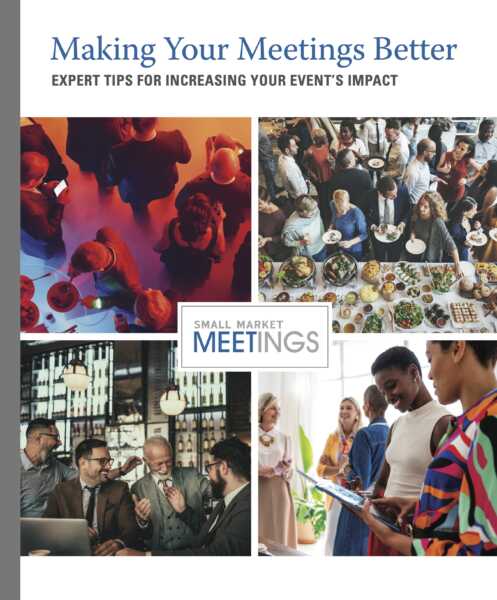


Appealing to Introverts

An introvert at a conference? Look closely — one to quiet corners, flattened against walls and taking shelter under tables.

Just kidding.
Introverts are everywhere, even at conferences, and they usually can’t be distinguished from the extroverts. While introverts have a reputation for being shy or socially anxious, in the right circumstances, many of them are just as social as extroverts. The key distinction between the two is how they recharge their social batteries: Introverts expend energy socializing and require solitude and downtime to recharge, while extroverts get energy from being social. Introverts make up about half the population, so they’ll certainly attend conferences and conventions, but events are often extremely draining for them. So how can planners design an event that’s going to encourage engagement from the introverts of the world?
Here’s what three experts advised.
Friction Points in the Agenda
To design introvert-friendly events, planners should identify points in the event where the more introverted attendees might encounter friction. Planners can start with the conference agenda.
Traditional conferences often include jam-packed schedules bookended by networking engagements that keep attendees active from 8 a.m. to 10 p.m. or later. Someone who requires solitude to recharge will be running on empty from the moment they arrive. Planners who can introduce more opportunities for breaks can boost the engagement of their introverted attendees by giving them the chance to recharge.
“Holding space, I think, can be really helpful, and that would be having some white space in the agenda,” said Lauren Ansley, who consults as a conference emcee, workshop facilitator and audience engagement partner.
Breaks are especially important before end-of-day networking events, according to Leanne Calderwood, vice president of global accounts with ConferenceDirect and a personal branding coach.
“Building in free time, even if it’s just an hour before a networking reception, can work wonders,” she said. “Introverts can do a lot with that hour to kind of recharge, be on their own and absorb what has happened during the day and then head into networking.”
Another way for planners to build in time to recharge is to give attendees choices.
“It’s about how you structure it,” said Sandra Collins, director of strategic communications at The Collective by BCD M&E. “It’s about how you have a good agenda that’s well laid out with space in it, with options in it for people, so not everything is compulsory.”
That could mean allowing attendees to decide how full to keep their schedules by letting them opt for certain afternoon sessions or even offering content from the sessions in a digital format so attendees can watch it later if they need to step away for an hour or two to recharge.
But one of the best ways to make introverts feel comfortable, Collins said, is to share information with them upfront to make sure they know what to expect. Communicating the agenda in detail to attendees gives them autonomy to design a schedule for themselves that is meaningful and still provides enough time to rest.
Physical Space
Another big distinction between introverts and extroverts is that introverts tend to thrive in smaller groups, rather than a sea of people. That’s why an event’s physical design can have a big impact on attendees, from the venue itself to the chairs, tables and networking setups. Reducing chaos and large crowds is a good place to start.
“We talk a lot about the flow of an event and event space,” Collins said. “So, that means making sure you have plenty of space so people aren’t on top of each other and that you kind of smooth out those friction points. On arrival, is there plenty of space? Are there quiet areas where people can go to check their emails or have downtime? Is there an outdoor space you can use during breaks, or can we bring the outdoors in?”
When selecting a venue, planners can also look for spaces that are broken up and offer plenty of spots for people to recharge, even if they’re using extra corridors or breakout rooms. If the chosen venue is one big room, like a large convention hall, planners can request partitions, air walls or other creative design elements to break up the space.

“Venues themselves are doing a really good job of creating those nooks and crannies where people can escape and either do a phone call or, for introverts, just literally have a cup of tea and our laptop for those 15 minutes,” Calderwood said.
Some venues even offer quiet rooms or pods for attendees to escape the crowds and the overstimulating atmosphere of a busy conference for a few minutes. These serve the dual purpose of appealing not only to introverts, but also to neurodivergent attendees or anyone else who finds themselves a little overstimulated or overwhelmed.
To encourage more engagement among introverted attendees, it’s also helpful to design spaces to facilitate smaller groups, such as cozy seating arrangements or smaller table setups — think tables of four to six rather than eight to 10 or more.
“As introverts, we often prefer smaller, one-on-one conversations versus a big group,” Ansley said. “I do structured networking events all the time, but if you put me in a group of five and there’s somebody who is really vivacious and talks a lot, I don’t end up saying a word.”
When sharing information with attendees prior to the conference, it’s also a good idea to include a venue map so that introverted attendees can get the lay of the land beforehand.
Programming
When it comes to the program and the content itself, there are a lot of ways to improve engagement among introverts.
Traditional, theater-style presentations that invite attendees to listen are often where introverts excel. But where speakers may lose the introverts is when it’s time to ask questions about the content.
“It’s good to do things like using technology so that [introverts] can participate in polls and Q&As without having to physically stick their hand up or make a contribution,” Collins said. “So, they can contribute, they can see other people’s contributions, they can be part of what’s going on without feeling like a rabbit in the headlights.”
Interactive and social programming like workshops typically comes easier to extroverts than to introverts, but that shouldn’t suggest that they should be omitted; facilitators can make adjustments to the group size to encourage everyone’s participation.
“Workshops are phenomenal, but tables of eight don’t work for introverts,” Calderwood said. “So workshopping things with one partner or workshopping things with two people, that’s what an introvert can get on board with. We just have to be careful of how much interaction we’re creating for them because, at a large table, they will end up shutting down and letting others carry the conversation.”
Networking is another important part of any event, but given the social component and the traditional format, there’s a misconception that introverts and networking don’t mix. That’s not necessarily true under the right circumstances.
To facilitate more introvert-friendly networking, Ansley recommends more structured networking rather than the classic approach of releasing everyone in a giant room at once.
“If you’re not encouraging guardrails around networking, you’re just throwing people into a room and telling them to have fun, that doesn’t come naturally to everyone,” she said.
She recommended incorporating structure by breaking the ice with thoughtful questions — and giving everyone enough time to answer — as well as setting up topic-based networking stations.
Collins also suggested researching attendees beforehand and finding some way to group them based on interest. For example, different colored lanyards based on shared interests to give them something to talk about right away.

Rachel Crick
Rachel Crick is the associate editor and project manager for The Group Travel Leader Inc. When she's not writing articles amidst her many plants, Rachel enjoys gardening, photography, and spending time with her family and cats, Misty and Jazz.
You May Also Like


About Us

We're Small Market Meetings, America's leading experts on planning meetings in smaller destinations. Find lots of articles and other free resources for growing in your career here.
The Latest Issue
Stay Connected!
Get the Meetings at a Glance e-newsletter twice a month.