Making Meetings Accessible
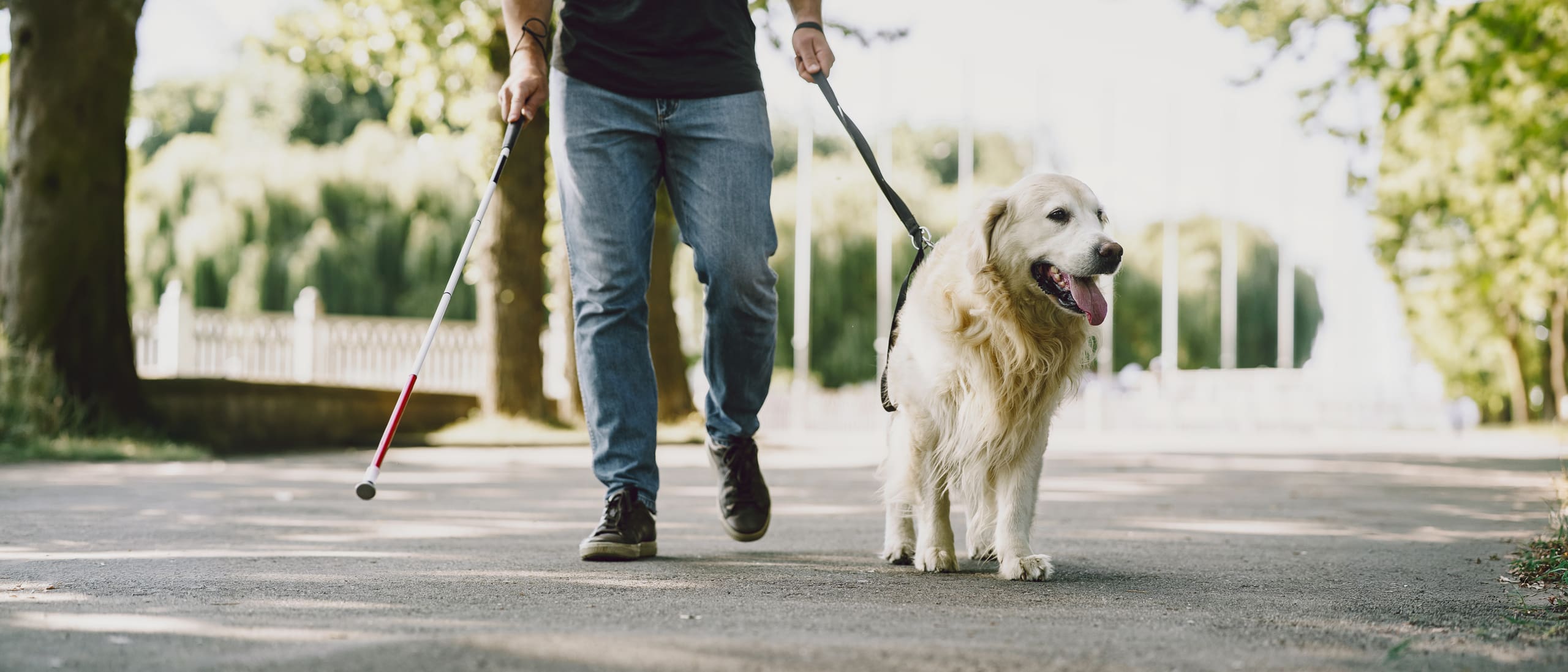
Rachel Crick recently spoke with Sadie Noland of the Pediatric Academic Societies Meeting on improving accessibility at events.

Sadie Noland is an exhibit and media specialist at the Pediatric Academic Societies Meeting, where she’s held multiple roles over the last four years. She earned a bachelor’s degree from the University of Texas at Arlington in 2020 and followed that with a master’s degree in hospitality management from the University of North Texas in 2023. Noland is a member of PCMA’s 20 in Their Twenties, Class of 2026.
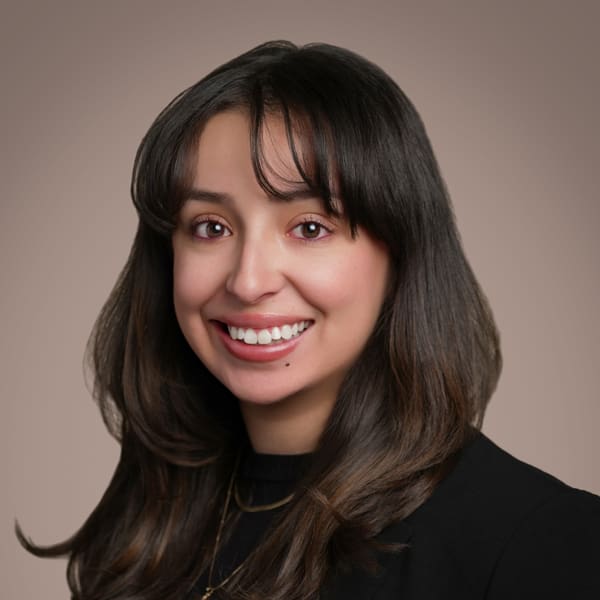
Sadie Noland
Q: Can you talk about your perspective on accessibility in the events industry? How did you become passionate about this topic?
A: I think we still have a lot to improve on. One of the reasons why I’m so passionate about accessibility is Molly Burke. She’s blind, and she has a guide dog, and she goes on podcasts to talk about accessibility. Ever since I started following her and heard her advocating for accessibility, I realized the events industry still needs to improve a lot. She talks a lot about how people think that they’re accommodating people with these inventions that are accessible, but how these inventions really benefit everyone, like Amazon’s Alexa. It’s become much more talked about in recent years because it was barely even a topic of conversation. I think because AI has helped accessibility so much, that’s part of what is making it more talked about now.
Q: Do you feel like your generation has anything to do with the uptick in awareness surrounding accessibility?
A: I think so, with the age of social media and with people like Molly Burke — she’s in my age group. I feel like her bringing awareness to it has helped. Back then, when social media wasn’t a thing, it was a lot harder to bring that advocacy to the surface more. So, yes, our generation is bringing it to the table a lot more, but also because of the technology we have and the extra voices we have to speak on this topic. So I think we are just overall pushing for more inclusion a bit more than past generations.

Q: Are there any areas where you feel like events as a whole need to improve regarding accessibility? What about anything the industry is doing well?
A: I feel like we don’t have a good alternative for people who are sensitive to light and sound. If there’s a big keynote speaker and big flashing lights and loud sounds, there’s no warning for the people who are sensitive to that. It’s just, “Sorry, that’s the way it is. You can’t be part of this experience.” So their experience isn’t the same as someone else who is able to watch the keynote speaker. I think sometimes people forget about those folks, so that’s one area we’re still falling short in. I feel like an area we’ve improved on because of AI is caption capabilities. You can have different sessions going on, and there are apps that can provide captions in multiple languages. That’s something I’ve seen a lot of improvement in, and there’s more to come with that.
Q: If you could change something about how the industry approaches accessibility, what would it be?
A: I think it’s important to realize that it benefits all of us, even though they might think something is a hassle or expensive. But it benefits all the attendees who are there, not just one specific person or group. If we recognize that, everyone gets to benefit. Instead of viewing it like a chore to put into our events, we can view it like an opportunity to improve everyone’s experience. I also think it needs to start from the beginning because sometimes it seems like it’s an afterthought, like “We’ll fix this thing last minute.” But being an afterthought doesn’t work to accommodate people, and it doesn’t feel good to be thought of like that.
Q: What advice would you give event planners who are wanting to make accessibility more of a priority?
A: I think educating yourself, first and foremost. We don’t often get that information in our own education. Listening to podcasters or public figures who have different accessibility needs is important, too, like me listening to Molly Burke. But also looking to other people who have disabilities and seeing what kinds of things they need when they go to an event. If you’re only hearing from one person, you’re going to cater more to them. So, if you can just listen and educate yourself, it would be really helpful as a planner, when you’re designing your own events going forward, to be able to advocate for them.
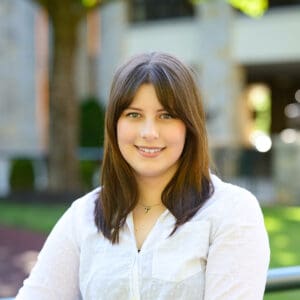
Rachel Crick
Rachel Crick is the associate editor and project manager for The Group Travel Leader Inc. When she's not writing articles amidst her many plants, Rachel enjoys gardening, photography, and spending time with her family and cats, Misty and Jazz.
You May Also Like
About Us

We're Small Market Meetings, America's leading experts on planning meetings in smaller destinations. Find lots of articles and other free resources for growing in your career here.
The Latest Issue
Stay Connected!
Get the Meetings at a Glance e-newsletter twice a month.