
Tech Talk with Gen Z
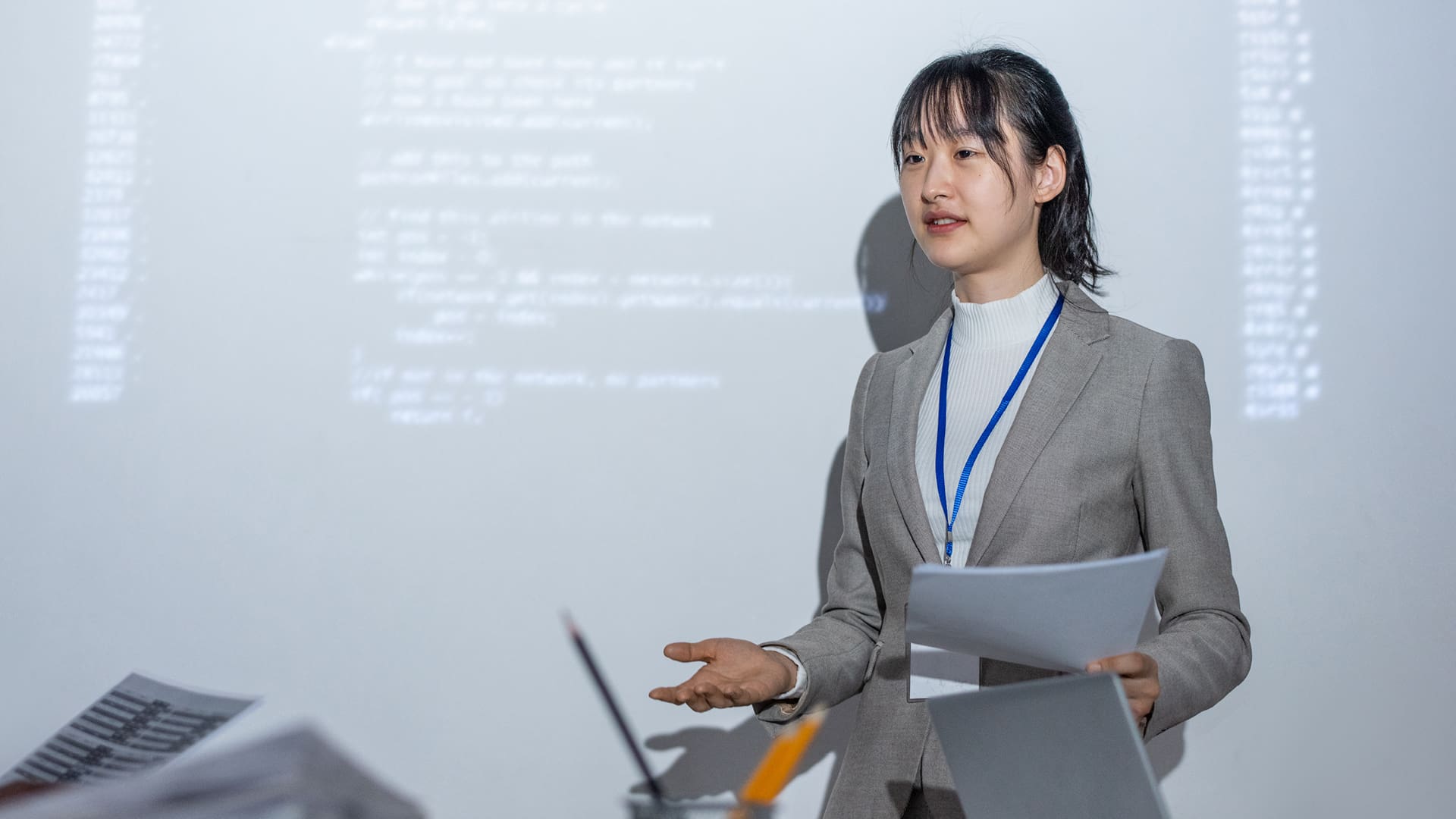
Rachel Crick recently spoke with Ashlen Rosenbaum, scientific program manager for the Pediatric Academic Societies, on sourcing and implementing new tech for event planning.

Ashlen Rosenbaum graduated from Texas A&M in 2022 with a degree in horticulture and a minor in event management. She completed an events internship at the Pediatric Academic Societies, where she has since held multiple full-time roles and currently serves as a scientific program manager. She is also a member of PCMA’s 20 in Their Twenties, Class of 2026.
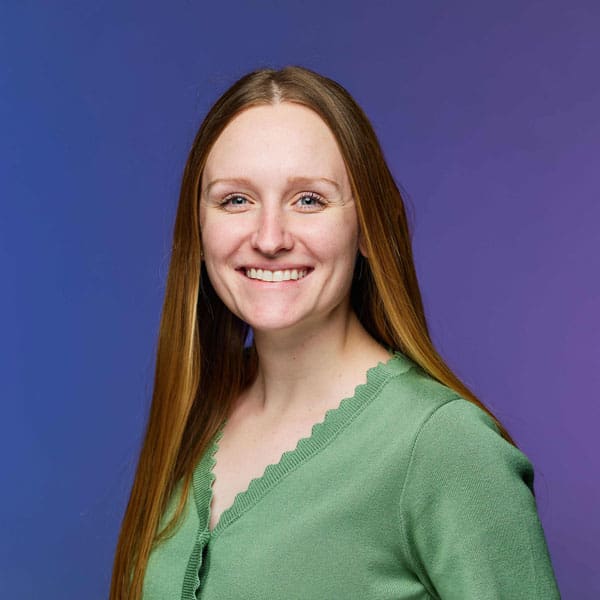
Ashlen Rosenbaum
How did tech become a big area of interest or focus for you in your career?
A: For me, I realized how much tech is involved in event planning when I got into programming within the event management software we use, which is called Cadmium. It was just fascinating to be fully immersed in it. I was shocked because I didn’t even know events involved doing this much work in a software.
Typically, you just think of to-do lists and timelines, things like that. But it’s insane the things that the programming team will do in the software, and it’s all such an important part of our conference. Our researchers and pediatricians are submitting all their science through this software. It’s getting reviewed. It’s getting selected all in the software, and then the event planners or people specifically in my job are making the changes. We’re moving things around, we’re going in to make things tidy in the software.
So, it’s just a lot that I never really realized was a part of the industry, but it’s such an important part. Growing up a little bit more with technology, I’ve just felt really easily connected and excited about the opportunities with this technology.
What are some benefits of adopting more tech within the events industry?
A: I would say more efficiency and a little bit more organization. One thing that I really do love about Cadmium — and probably people who use Cvent love as well — is everything is in one place, and I feel like that makes it really helpful to look back on past years and what you did. That makes it more efficient to move over your submission sites, the review sites. Overall, technology will just make it more efficient for everyone. And it’s not going to take away anyone’s job; we have to grow with the technology. That’s what I think is so exciting about Gen Z coming in right now into the workforce because we did grow up with technology more than any other generation before us, so it’s easier and more compatible to us.

One sticking point for some people is that technology isn’t free, and you have to justify the cost. How should event planners decide if a piece of tech is worth the price?
A: I would definitely first evaluate what you have. There have been times where we’ve looked at certain software, and then we realize that what we have now is capable of doing that. Then, to decide if you need it or not, I would say look at what other conferences are doing, but also really just evaluate what your goal is for that year and for that conference and ask if that software or that technology is going to help you achieve it.
One thing that our marketing team has done a pretty good job of is boosting our social media. And one way they did that was implementing a system where they could contact speakers and have them record a video about their presentation and then easily push it to our social media. And that can be a hard decision, especially because sometimes social media gets put on the back burner, but it is so important because that can also drive registration profit as well. So, really consider your goals and what areas you want to grow for the conference; I think that’s a good way to determine if you need something.
What facets of the events industry do you think are going to benefit from implementing more technology?
A: I think tech will definitely help marketing for sure. I would say it will also help with growing exhibits and the overall connection of your conference and how popular it is with things like social media. It’s going to help get more people’s attention for your event and help build a connection before you even arrive. Exhibitors can understand who’s coming and maybe contact them through social media or just have them flagged.
It’s also helping just create an overall better experience for the attendees in the sense that maybe you’re meeting people before you even arrive, or you have plans with people before you even get there. So, I would say tech could help that pre-conference prep.
But also, it’s encouraging the conference to extend without being on-site, so you’re keeping your conference alive a little bit longer. I know some people are utilizing virtual events. PAS has pre-recorded sessions, and technology has just helped us promote PAS in general by extending our conference through those and having them online for people to access.
What advice would you give younger planners or prospective planners about using tech as they start their careers in the events industry?
A: I would say tech is very prominent in events, and we are just so well set up to have such successful careers in using tech in events — and to not be scared to reach out and learn more about the software that your companies are using. Even prior to graduating, they can look into some of the different software. Having a little bit of knowledge in a variety of areas can be really helpful and something that event planners don’t get told too often, although they wear so many hats. It can be good to know a little bit of data analysis, user interface, AI, Google and Outlook, things like that. I work on such a small team, but having a little bit of knowledge on all of that has really kind of progressed my career a little bit farther and faster. Also, the eagerness to learn it has been helpful as well.

Rachel Crick
Rachel Crick is the associate editor and project manager for The Group Travel Leader Inc. When she's not writing articles amidst her many plants, Rachel enjoys gardening, photography, and spending time with her family and cats, Misty and Jazz.
You May Also Like


About Us

We're Small Market Meetings, America's leading experts on planning meetings in smaller destinations. Find lots of articles and other free resources for growing in your career here.
The Latest Issue
Stay Connected!
Get the Meetings at a Glance e-newsletter twice a month.